
Your Complete Guide to Ashwagandha
The Ancient Herb That Will Calm Your Mind and Empower Your Body
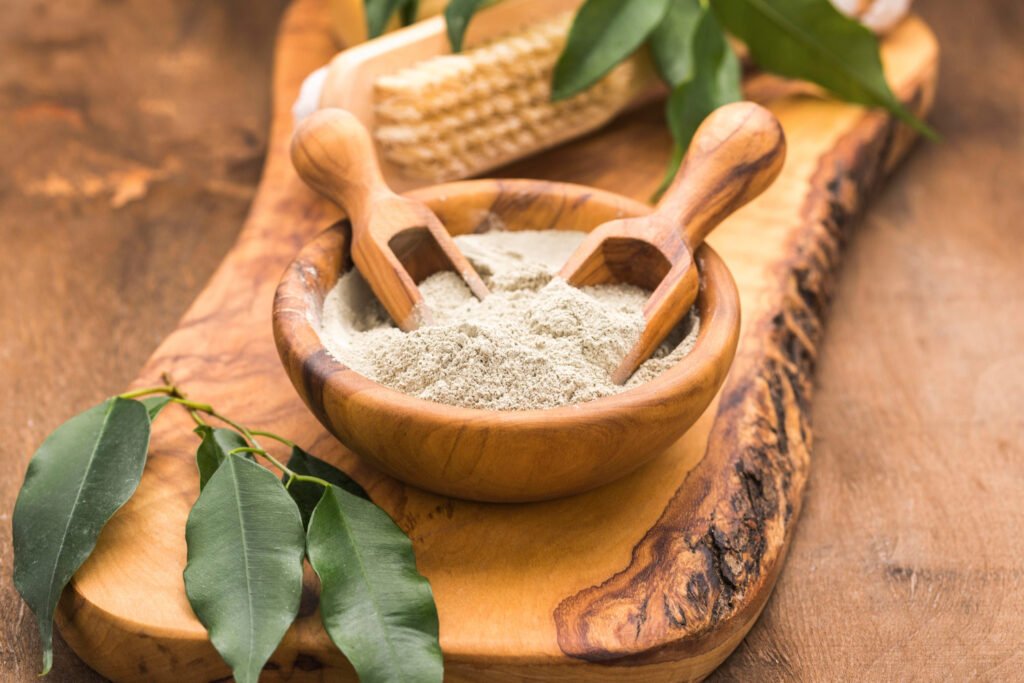
Finding Your Calm in a Hectic World
In today’s fast-paced world, it’s easy to feel overwhelmed. The constant demands of work, family, and social life can leave us feeling stressed, anxious, and utterly drained. We yearn for a sense of calm, a way to reclaim our inner peace and vitality. If you’ve been searching for a natural solution to navigate the complexities of modern life, you’ve likely stumbled upon Ashwagandha – an ancient herb revered for centuries in Ayurvedic medicine, often celebrated for its impressive ashwagandha benefits. But what exactly is Ashwagandha, and can it truly be the answer to your quest for well-being?
This comprehensive guide is designed to be your trusted companion on your journey to understanding Ashwagandha. We’ll delve deep into its remarkable benefits, address common concerns, and help you make an informed decision about whether this powerful adaptogen is right for you. More than just a scientific breakdown, this article aims to connect with your feelings, offering a reassuring voice in a world full of conflicting information. We believe in the power of nature to heal and restore, and Ashwagandha stands as a testament to that belief. Let’s embark on this journey together, towards a calmer mind and a more empowered body.
What is Ashwagandha? The Adaptogen Explained
Ashwagandha (Withania somnifera) is a small, woody plant native to India and North Africa. Its roots and berries have been used for thousands of years in Ayurveda, a traditional system of medicine with roots in India. The name “Ashwagandha” is derived from the Sanskrit words “Ashva” (horse) and “Gandha” (smell), referring to the unique smell of the root and the traditional belief that consuming it imparts the strength and vitality of a horse.
What makes Ashwagandha so special is its classification as an adaptogen. Adaptogens are a unique group of herbs that help your body adapt to stress, whether physical, chemical, or biological. They work by normalizing physiological functions and helping the body maintain homeostasis, even during periods of high stress. Think of Ashwagandha as your body’s personal stress manager, helping it to cope more effectively with the daily pressures of life [1].
The primary active compounds in Ashwagandha are called withanolides. These compounds are responsible for many of the herb’s therapeutic effects, including its anti-inflammatory, antioxidant, and stress-reducing properties. The quality and potency of an Ashwagandha supplement often depend on the concentration of these withanolides.
The Remarkable Ashwagandha Benefits: A Holistic Approach to Well-being
Ashwagandha’s reputation as a powerful healing herb is backed by a growing body of scientific research. Its benefits extend far beyond simple stress reduction, touching various aspects of physical and mental health. Let’s explore some of the most significant ways Ashwagandha can transform your well-being:

1. Stress and Anxiety Reduction: Finding Your Inner Calm
This is perhaps the most well-known and scientifically supported benefit of Ashwagandha. In our modern lives, chronic stress is an epidemic, leading to a cascade of negative health effects. Ashwagandha helps by modulating the body’s stress response system, particularly by reducing cortisol levels – the primary stress hormone [2]. When cortisol levels are balanced, you feel less anxious, more relaxed, and better equipped to handle life’s challenges.
Imagine waking up feeling genuinely refreshed, not burdened by the weight of the day before it even begins. Imagine facing a challenging situation with a sense of calm resolve, rather than spiraling into panic. This is the promise of Ashwagandha for stress and anxiety. It doesn’t numb your emotions; it empowers your body to respond to stress in a healthier, more balanced way.
2. Improved Sleep Quality: Embracing Restful Nights
For many, a good night’s sleep feels like an elusive dream. Stress, anxiety, and the constant buzz of modern life often interfere with our ability to fall asleep and stay asleep. Ashwagandha has traditionally been used as a sleep aid, and recent research supports this use. Its calming properties help to quiet the mind, making it easier to transition into a state of deep, restorative sleep. Some studies suggest it may even help with insomnia [3].
Think of the profound impact quality sleep has on your life: improved mood, enhanced cognitive function, better physical recovery, and a stronger immune system. Ashwagandha can help you reclaim those precious hours of rest, allowing you to wake up feeling truly revitalized and ready to embrace the day.
3. Enhanced Energy and Vitality: Reclaiming Your Zest for Life
While Ashwagandha is known for its calming effects, it’s also an adaptogen that can help improve energy levels and combat fatigue. This isn’t the jittery energy you get from caffeine; rather, it’s a sustained, balanced energy that comes from your body functioning optimally. By reducing stress and improving sleep, Ashwagandha indirectly boosts your overall vitality. It helps your body conserve energy by reducing the burden of chronic stress, allowing you to feel more vibrant and engaged throughout your day.
If you’ve been feeling constantly tired, even after a full night’s sleep, Ashwagandha might be the missing piece in your wellness puzzle. It helps your body adapt to physical stressors, supporting endurance and overall resilience.
4. Cognitive Function and Focus: Sharpening Your Mind
In a world demanding constant attention and quick thinking, maintaining cognitive sharpness is crucial. Ashwagandha has shown promise in supporting brain health and cognitive function. It may help improve memory, attention, and processing speed [5]. Its antioxidant properties protect brain cells from damage, while its ability to reduce stress can indirectly enhance mental clarity and focus. When your mind is calm, it’s naturally more capable of concentrating and retaining information.
5. Support for Men’s Health: Beyond Stress Relief
Ashwagandha has a long history of use in Ayurvedic medicine for male reproductive health. Modern research suggests it may help improve testosterone levels, sperm quality, and fertility in men [4]. It can also contribute to increased muscle strength and recovery, making it a popular supplement among athletes and those looking to enhance physical performance. For men seeking a natural way to support their vitality and well-being, Ashwagandha offers a compelling option.
6. Anti-inflammatory and Antioxidant Properties: Protecting Your Body
Chronic inflammation is at the root of many modern diseases. Ashwagandha contains compounds that exhibit powerful anti-inflammatory and antioxidant effects [6]. This means it can help protect your cells from damage caused by free radicals and reduce inflammation throughout the body. By supporting cellular health, Ashwagandha contributes to overall longevity and disease prevention.
Potential Side Effects and Precautions: What You Need to Know
While Ashwagandha is generally considered safe for most people when taken in appropriate doses, it’s crucial to be aware of potential side effects and contraindications. Your health and safety are paramount.
Common Side Effects:
Most side effects are mild and may include:
•Upset stomach or diarrhea: This can often be mitigated by taking Ashwagandha with food.
•Drowsiness: Some individuals may experience mild sedation, especially when first starting the supplement. This can be beneficial if you’re taking it for sleep, but be mindful if you need to operate machinery or drive.
Important Precautions and Contraindications:
It’s vital to consult with your healthcare provider before taking Ashwagandha, especially if you have any pre-existing medical conditions or are taking other medications. Ashwagandha may interact with:
•Pregnancy and Breastfeeding: Ashwagandha is generally not recommended for pregnant or breastfeeding women due to insufficient research on its safety in these populations.
•Autoimmune Diseases: Individuals with autoimmune conditions such as rheumatoid arthritis, lupus, or Hashimoto’s thyroiditis should exercise caution. Ashwagandha may stimulate the immune system, potentially worsening symptoms.
•Thyroid Conditions: Ashwagandha can increase thyroid hormone levels. If you have hyperthyroidism or are taking thyroid hormone medication, taking Ashwagandha could lead to excessive thyroid hormone levels. Conversely, it might be beneficial for some forms of hypothyroidism, but always under medical supervision.
•Diabetes Medications: Ashwagandha may lower blood sugar levels. If you are taking medication for diabetes, combining it with Ashwagandha could lead to dangerously low blood sugar.
•Blood Pressure Medications: Ashwagandha may lower blood pressure. Combining it with blood pressure medications could lead to hypotension.
•Sedatives and Anti-anxiety Medications: Due to its calming effects, Ashwagandha may enhance the effects of sedatives or anti-anxiety medications, leading to excessive drowsiness.
•Surgery: It’s generally recommended to stop taking Ashwagandha at least two weeks before any scheduled surgery due to its potential effects on blood sugar and blood pressure.
Always prioritize open communication with your doctor to ensure Ashwagandha is a safe and appropriate addition to your wellness routine.
Dosage and Best Time to Take Ashwagandha: Maximizing Its Potential
Understanding the right dosage and timing can significantly impact the effectiveness of Ashwagandha and help you maximize its ashwagandha benefits. While there’s no one-size-fits-all answer, general guidelines based on research and traditional use can help.
Recommended Dosage:
Most studies on Ashwagandha’s benefits use dosages ranging from 250 mg to 600 mg per day. This is often divided into two doses. For general stress reduction and well-being, a dose of 300 mg to 500 mg per day is common. For specific conditions like severe anxiety or sleep issues, higher doses (up to 600 mg) might be used under professional guidance. Always start with a lower dose to assess your body’s response and gradually increase if needed.
It’s important to note that the effectiveness of Ashwagandha depends on the concentration of withanolides. Look for supplements standardized to contain a certain percentage of these active compounds, typically 2.5% to 5%.
Best Time to Take Ashwagandha and Unlock Its Full Ashwagandha Benefits
The optimal time to take Ashwagandha depends on your primary goal:
•For Stress and Anxiety Relief (General Well-being): You can take it at any time of day. Many prefer to take it in the morning to help manage daily stressors, or split the dose between morning and evening.
•For Improved Sleep: Taking Ashwagandha about 30-60 minutes before bedtime can be highly effective due to its calming and sedative properties. It helps to quiet the mind and prepare the body for rest.
•For Energy and Performance: If your goal is to boost energy, focus, or physical performance, taking it in the morning or before a workout might be more beneficial.
General Tip: Always take Ashwagandha with food to minimize the risk of stomach upset. Consistency is key; it may take several weeks of consistent use to experience the full benefits.
My Personal Journey with Ashwagandha
(or Experiences I’ve Witnessed)
As someone deeply invested in holistic well-being, I’ve always been fascinated by the power of natural remedies. My own journey with Ashwagandha began during a period of intense professional stress. I found myself constantly on edge, struggling to focus, and waking up feeling exhausted despite getting enough hours of sleep. The constant mental chatter was relentless.
After much research, I decided to give Ashwagandha a try. I started with a modest dose, taking it consistently every evening. The change wasn’t immediate, but subtle shifts began to emerge after about two weeks. The persistent knot in my stomach started to loosen. I found myself reacting to stressful situations with a newfound sense of calm, rather than immediate panic. The most profound change, however, was in my sleep. I began to fall asleep more easily, and my sleep felt deeper, more restorative. I woke up feeling genuinely refreshed, ready to tackle the day with clarity and a sense of purpose I hadn’t felt in years.
I’ve also witnessed similar transformations in others. A friend, grappling with chronic anxiety, found Ashwagandha and its ashwagandha benefits to be a gentle yet powerful ally in managing her symptoms, allowing her to engage more fully in her life without the constant shadow of worry. Another, an athlete, reported improved recovery times and a noticeable boost in endurance during intense training sessions.
These experiences, both personal and observed, reinforce my belief in Ashwagandha’s potential to support a more balanced and resilient life. It’s not a magic bullet, but a supportive partner in your journey towards optimal well-being.
Choosing the Best Ashwagandha Supplement: A Comparison of Top Amazon Picks
Navigating the vast array of Ashwagandha supplements on Amazon can be daunting. To help you make an informed choice, I’ve carefully selected three top-rated products that represent different strengths and value propositions. My aim is to guide you towards a supplement that aligns with your specific needs and priorities.
Here’s a comparison of three excellent Ashwagandha supplements available on Amazon, based on customer reviews, brand reputation, and product features:
| Feature | Product 1: The High-Potency Choice (e.g., KSM-66 based) | Product 2: The Organic Purity Choice (e.g., USDA Organic) | Product 3: The Value-Packed Choice (e.g., Bulk Supply) |
| Key Selling Point | Clinically studied KSM-66 extract for maximum efficacy | Certified organic, non-GMO, pure root powder/extract | Excellent cost-per-serving, great for long-term use |
| Form | Capsules | Powder | Capsules |
| Ashwagandha Type | Root Extract (standardized KSM-66) | Extract | Root Powder |
| Withanolide Content | High (e.g., 5% or more) | 2.5% – 5% | 2.5% – 5% |
| Servings per Container | 150 | 16.0 Ounce | Often 100/360 |
| Price Range | Higher | Mid-to-High | Lower to Mid |
| Ideal For | Those seeking maximum potency and proven results | Those prioritizing purity, organic certification, and natural ingredients | Budget-conscious users, long-term consistent use |
| Pros | Backed by clinical research, highly effective for stress | Clean ingredients, no fillers, environmentally conscious | Affordable, good starting point, large supply |
| Cons | Higher price point | May have slightly lower withanolide concentration than KSM-66 | May not always be KSM-66 or highest potency |
Note: Specific product names and exact prices are subject to change on Amazon. This table provides a general comparison based on common product types. Always check the latest product details and customer reviews before purchasing.
My Recommendation:
•If you’re serious about maximizing stress reduction and cognitive benefits, and don’t mind investing a bit more, a KSM-66 based supplement (like Product 1) is often the gold standard. Its clinical backing provides a strong sense of reassurance.
•If purity and organic sourcing are your top priorities, and you want to avoid any synthetic additives, then an organic certified Ashwagandha (like Product 2) is an excellent choice. You’re investing in a clean, natural product.
•If you’re new to Ashwagandha or looking for a cost-effective option for consistent, long-term use, a value-packed supplement (like Product 3) can be a great entry point. Just ensure it still provides a good concentration of withanolides.
Ultimately, the best Ashwagandha supplement for you will depend on your individual needs, budget, and health goals. Always read product labels carefully, check for third-party testing, and consult customer reviews.
Embrace a Calmer, More Resilient You
As we conclude our journey into the world of Ashwagandha, I hope you feel a renewed sense of hope and empowerment. In a world that often feels chaotic and demanding, finding natural allies to support our well-being is more important than ever. Ashwagandha, with its ancient wisdom, modern scientific backing, and well-documented ashwagandha benefits, offers a profound opportunity to reclaim your inner calm, enhance your vitality, and build resilience against the stresses of life.
Remember, true well-being is a holistic endeavor. Ashwagandha is a powerful tool, but it works best when combined with a balanced diet, regular exercise, and mindful practices. It’s about nurturing your body and mind, creating a foundation for a life filled with peace, energy, and joy.
If this guide has resonated with you, if it has sparked a flicker of hope or provided clarity on your wellness path, I encourage you to take the next step. Explore the possibilities that Ashwagandha holds for you. And if you found value in this comprehensive report, please consider sharing it with your loved ones, friends, and in your online communities. Let’s spread the word about this incredible herb and help others discover the path to a calmer, more resilient, and empowered self. Your share can make a difference in someone’s journey towards better health and happiness. Together, we can foster a community of well-being. Thank you for being a part of this journey.
The AsiLotus Team 🌹
References
[1] Singh, N., Bhalla, M., de Jager, P., & Gilca, M. (2011). An overview on Ashwagandha: A Rasayana (rejuvenator) of Ayurveda. African Journal of Traditional, Complementary and Alternative Medicines, 8(5S).
[2] Chandrasekhar, K., Kapoor, J., & Anishetty, S. (2012). A prospective, randomized double-blind, placebo-controlled study of safety and efficacy of a high-concentration full-spectrum extract of Ashwagandha root in reducing stress and anxiety in adults. Indian Journal of Psychological Medicine, 34(3), 255–262.
[3] Langade, D., Kanchi, S., Salve, J., Debnath, K., & Ambegaokar, D. (2021). Efficacy and Safety of Ashwagandha (Withania somnifera) Root Extract in Insomnia and Anxiety: A Systematic Review and Meta-Analysis. Cureus, 13(9), e17968.
[4] Ambiye, V. R., Langade, D., Dongre, S., Aptikar, P., Kulkarni, M., & Dongre, A. (2013). Clinical Evaluation of the Spermatogenic Activity of the Root Extract of Ashwagandha (Withania somnifera) in Oligospermic Males: A Pilot Study. Evidence-Based Complementary and Alternative Medicine, 2013, 571420.
[5] Choudhary, D., Bhattacharyya, S., & Bose, S. (2017). Efficacy and Safety of Ashwagandha (Withania somnifera (L.) Dunal) Root Extract in Improving Memory and Cognitive Functions. Journal of Dietary Supplements, 14(6), 599–612.
[6] Mirjalili, M. H., Moyano, E., Bonfill, M., Cusido, R. M., & Palazón, J. (2009). Steroidal lactones from Withania somnifera, an ancient plant for novel medicine. Molecules, 14(7), 2373–2393.