
Ashwagandha Nutricost: Unveiling the Remarkable Scientific Benefits for Optimal Health in 2025 – A Powerful Guide
Unveiling Ashwagandha and Nutricost’s Approach
Ashwagandha (Withania somnifera), an ancient adaptogenic herb deeply rooted in Ayurvedic medicine, has garnered significant attention in modern scientific research for its remarkable health benefits. Known for its ability to help the body adapt to stress, Ashwagandha’s efficacy is increasingly supported by a growing body of clinical evidence. As the demand for natural wellness solutions rises, so does the availability of high-quality supplements. Among the various brands, Nutricost stands out as a provider committed to delivering potent and reliable Ashwagandha products.
This article aims to provide a comprehensive, scientifically-driven exploration of Ashwagandha, with a specific focus on Nutricost’s offerings. Unlike general marketing content, our objective is to delve into the biochemical mechanisms, clinical studies, and standardized formulations that underpin Ashwagandha’s therapeutic potential, particularly as it relates to Nutricost’s commitment to quality. For a broader overview of Ashwagandha’s general benefits, including its role in stress relief and sleep improvement, we encourage you to consult our previous comprehensive guide: Ashwagandha Benefits: Your Complete Guide To Stress Relief & Better Sleep. [1] This scientific deep dive will equip you with the knowledge to make informed decisions about incorporating ashwagandha nutricost into your wellness regimen. The focus on ashwagandha nutricost ensures that readers understand the specific product’s scientific backing and the quality associated with ashwagandha nutricost supplements.

2. The Science Behind Ashwagandha: Key Bioactive Compounds
The therapeutic efficacy of Ashwagandha is primarily attributed to a group of naturally occurring steroidal lactones known as withanolides. These compounds are unique to the Withania somnifera plant and are responsible for the herb’s diverse pharmacological activities. Over 35 withanolides have been identified, with withaferin A and withanolide A being among the most extensively studied.
Withanolides exert their effects through various complex mechanisms, interacting with multiple biological pathways in the body. Their adaptogenic properties, which enable the body to resist physical, chemical, and biological stressors, are thought to be mediated by their influence on the hypothalamic-pituitary-adrenal (HPA) axis, the central stress response system. By modulating the HPA axis, withanolides help regulate cortisol levels, thereby reducing the physiological impact of stress, Understanding the science behind Ashwagandha is crucial for appreciating the quality of ashwagandha nutricost products.
Beyond stress modulation, withanolides demonstrate significant anti-inflammatory and antioxidant activities. They can inhibit the production of pro-inflammatory cytokines and enzymes, thereby mitigating inflammatory responses. Their antioxidant capacity involves scavenging free radicals and enhancing the activity of endogenous antioxidant enzymes, such as superoxide dismutase (SOD), catalase (CAT), and glutathione peroxidase (GPx). This dual action helps protect cells from oxidative damage, a key contributor to aging and various chronic diseases.
Furthermore, research suggests that withanolides may possess neuroprotective properties. They can promote neuronal growth, enhance synaptic plasticity, and protect brain cells from damage induced by neurotoxins and oxidative stress. These effects contribute to Ashwagandha’s potential in supporting cognitive function and overall brain health. The intricate interplay of these bioactive compounds underscores Ashwagandha’s holistic benefits, making it a subject of continuous scientific investigation.
3. Nutricost Ashwagandha: Formulation and Standardization
Nutricost, a reputable name in the supplement industry, offers a range of Ashwagandha products designed to meet various consumer needs. Their commitment to quality is evident in their focus on standardized extracts, ensuring consistent potency and efficacy. A prominent example is their Nutricost KSM-66 Ashwagandha product, which utilizes a highly regarded, branded extract. This ashwagandha nutricost product is a testament to their quality.
KSM-66 Ashwagandha is a full-spectrum extract derived exclusively from the roots of the Ashwagandha plant, known for its high concentration of withanolides. What sets KSM-66 apart is its rigorous standardization process, guaranteeing a minimum of 5% total withanolides. This standardization is crucial because the therapeutic effects of Ashwagandha are directly linked to the concentration of these active compounds. A higher and consistent percentage of withanolides ensures that each serving delivers a predictable and effective dose, maximizing the potential benefits.
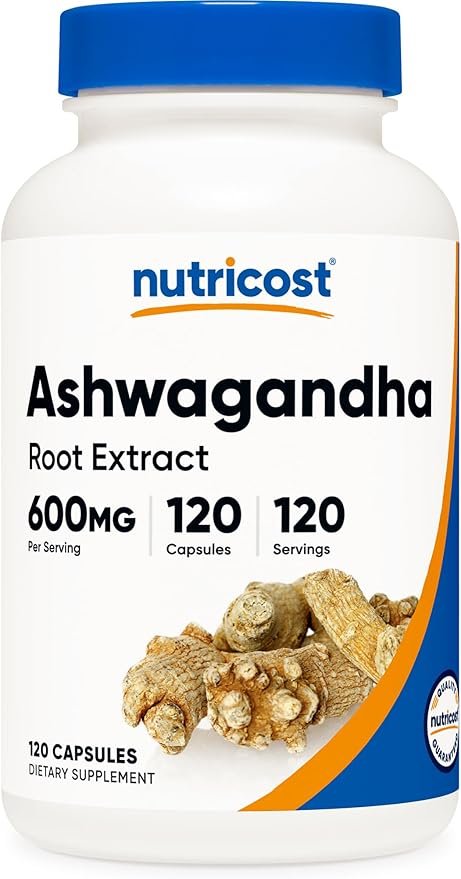
For instance, Nutricost typically offers Ashwagandha capsules containing 600mg of Ashwagandha extract per serving. When this extract is KSM-66, it means each 600mg serving provides at least 30mg of active withanolides (5% of 600mg). This level of standardization is vital for researchers and consumers alike, as it allows for more accurate dosing and comparison across studies and products.
Furthermore, some Nutricost Ashwagandha formulations may include BioPerine, a patented extract derived from black pepper (Piper nigrum). BioPerine is widely recognized for its ability to enhance the bioavailability of various nutrients and herbal compounds. By inhibiting certain metabolic enzymes and increasing absorption in the digestive tract, BioPerine can significantly improve the body’s ability to utilize the withanolides from Ashwagandha. This synergistic combination ensures that the active compounds are efficiently absorbed and delivered to the target tissues, thereby amplifying the overall effectiveness of the supplement. Nutricost’s dedication to such well-researched formulations underscores their scientific approach to supplement development.
4. Clinical Evidence: Ashwagandha’s Impact on Health
The clinical evidence strongly supports the efficacy of Ashwagandha, and this is particularly true for well-formulated ashwagandha nutricost supplements. The scientific community has increasingly focused on Ashwagandha, leading to a growing body of clinical research that substantiates its traditional uses. The efficacy of Ashwagandha, particularly standardized extracts like KSM-66, has been demonstrated across various health domains.
Stress and Anxiety Reduction
One of the most well-documented benefits of Ashwagandha is its profound impact on stress and anxiety. Numerous randomized, double-blind, placebo-controlled studies have shown its anxiolytic properties. The primary mechanism involves the modulation of the hypothalamic-pituitary-adrenal (HPA) axis, which regulates the body’s stress response. By reducing cortisol levels, the primary stress hormone, Ashwagandha helps to alleviate the physiological and psychological symptoms of stress. For instance, a study published in the Indian Journal of Psychological Medicine [2] found that a high-concentration full-spectrum Ashwagandha root extract (similar to KSM-66) significantly reduced scores on stress-assessment scales, including the Hamilton Anxiety Rating Scale (HAM-A) and the Depression, Anxiety, Stress Scale (DASS-21), compared to placebo. Participants reported improved resistance to stress and enhanced overall well-being. Another meta-analysis, available on PubMed [3], concluded that Ashwagandha supplementation consistently leads to significant reductions in stress and anxiety symptoms across various populations.
Improved Sleep Quality
Ashwagandha has been traditionally used as a sleep aid, and modern research supports this application. Its calming effects are attributed to compounds that interact with GABAergic pathways, promoting relaxation and facilitating sleep onset. A systematic review and meta-analysis of clinical trials, such as the one published in the Journal of Ethnopharmacology [4], indicated that Ashwagandha significantly improves overall sleep quality, sleep efficiency, and reduces sleep latency (time taken to fall asleep) in individuals with and without insomnia. Studies using KSM-66 have specifically shown improvements in sleep parameters, with participants experiencing more restorative and undisturbed sleep. This makes Ashwagandha, and by extension ashwagandha nutricost, a promising natural intervention for those struggling with sleep disturbances.
Cognitive Enhancement
Emerging research highlights Ashwagandha’s potential as a nootropic, supporting various aspects of cognitive function. Its neuroprotective properties, primarily due to its antioxidant and anti-inflammatory actions, help safeguard brain cells from damage. Clinical trials have demonstrated improvements in memory, attention, and processing speed following Ashwagandha supplementation. For example, a study on healthy adults showed that KSM-66 Ashwagandha improved immediate and general memory, as well as executive function, as detailed in the Journal of Dietary Supplements [5]. These cognitive benefits are particularly relevant in today’s demanding environment, where mental clarity and focus are paramount.
Physical Performance and Men’s Health
Ashwagandha’s adaptogenic qualities extend to enhancing physical performance and supporting men’s health. Studies have shown that it can improve muscle strength, endurance, and recovery, making it popular among athletes. A notable study on healthy young men found that KSM-66 Ashwagandha supplementation led to significant increases in muscle strength (bench-press and leg-extension) and muscle size, alongside a reduction in exercise-induced muscle damage, as reported in the Journal of the International Society of Sports Nutrition [6]. Athletes and men seeking to enhance physical performance often turn to ashwagandha nutricost for its proven benefits. Furthermore, Ashwagandha has been investigated for its role in male reproductive health. Research indicates that it may improve testosterone levels, sperm count, and motility, offering a natural approach to supporting male fertility and vitality.
Anti-inflammatory and Antioxidant Properties
The anti-inflammatory and antioxidant capabilities of Ashwagandha are fundamental to many of its health benefits. The withanolides within Ashwagandha actively suppress pro-inflammatory mediators and enhance the body’s natural antioxidant defenses. This dual action helps combat chronic inflammation, a root cause of many modern diseases, and protects cells from oxidative stress. Clinical studies have shown reductions in markers of inflammation and oxidative damage following Ashwagandha supplementation, underscoring its role in promoting overall cellular health and longevity. This systemic protective effect contributes to its broad therapeutic spectrum, The anti-inflammatory and antioxidant benefits are key reasons why many choose ashwagandha nutricost for overall health.
5. Dosage, Safety, and Considerations for Nutricost Users
When considering ashwagandha nutricost, understanding the correct dosage and safety guidelines is paramount.
Determining the appropriate dosage of Ashwagandha is crucial for maximizing its benefits while minimizing potential side effects. The optimal dosage can vary depending on the specific health goal, the concentration of the extract, and individual physiological responses. Scientific literature generally suggests a daily dosage range for Ashwagandha root extract.
For general well-being, stress reduction, and cognitive support, studies often utilize dosages ranging from 250 mg to 600 mg per day of a standardized extract, typically with 5% withanolides. For specific conditions like severe anxiety, chronic stress, or sleep disturbances, higher doses, sometimes up to 600 mg twice daily, have been explored under professional guidance. Nutricost Ashwagandha products, particularly their KSM-66 capsules, commonly provide 600mg per serving, aligning with scientifically supported dosages. This makes ashwagandha nutricost a reliable choice for consumers.
While Ashwagandha is generally considered safe for most individuals when taken at appropriate doses, it is important to be aware of potential side effects and contraindications. Most reported side effects are mild and transient:
•Common Side Effects: Some individuals may experience mild gastrointestinal upset, such as stomach discomfort or diarrhea, especially when taken on an empty stomach. Taking Ashwagandha with food can often mitigate these issues. Drowsiness or sedation can also occur, particularly with higher doses, making it advisable to exercise caution when operating machinery or driving until you understand how it affects you.
Important Precautions and Contraindications:
•Pregnancy and Breastfeeding: Ashwagandha is generally not recommended for pregnant or breastfeeding women due to insufficient research on its safety in these populations. It is crucial to prioritize the health of both mother and child.
•Autoimmune Diseases: Individuals with autoimmune conditions such as rheumatoid arthritis, lupus, or Hashimoto’s thyroiditis should exercise caution. Ashwagandha may stimulate the immune system, which could potentially worsen symptoms in these conditions.
•Thyroid Conditions: Ashwagandha can influence thyroid hormone levels. If you have hyperthyroidism or are taking thyroid hormone medication, taking Ashwagandha could lead to excessive thyroid hormone levels. Conversely, it might be beneficial for some forms of hypothyroidism, but always under medical supervision and with regular monitoring of thyroid function.
•Diabetes Medications: Ashwagandha may lower blood sugar levels. If you are taking medication for diabetes, combining it with Ashwagandha could lead to dangerously low blood sugar (hypoglycemia). Close monitoring of blood glucose levels is essential.
•Blood Pressure Medications: Ashwagandha may lower blood pressure. Combining it with blood pressure medications could lead to hypotension (abnormally low blood pressure). Individuals with low blood pressure or those on antihypertensive medications should consult their doctor.
•Sedatives and Anti-anxiety Medications: Due to its calming effects, Ashwagandha may enhance the effects of sedatives or anti-anxiety medications, leading to excessive drowsiness. It is advisable to avoid concurrent use or use with extreme caution under medical supervision.
•Surgery: It is generally recommended to stop taking Ashwagandha at least two weeks before any scheduled surgery due to its potential effects on blood sugar and blood pressure.
For Nutricost users, it is paramount to adhere to the recommended serving sizes on the product label and to consult with a healthcare professional before starting any new supplement regimen, especially if you have pre-existing medical conditions or are taking other medications. This ensures that Ashwagandha is a safe and appropriate addition to your wellness routine, tailored to your individual health profile.
6. The Scientific Efficacy of Ashwagandha Nutricost
In conclusion, the scientific efficacy of ashwagandha nutricost is well-established, offering a natural path to improved well-being.
Ashwagandha, a revered adaptogenic herb, continues to impress the scientific community with its multifaceted health benefits. From its well-established role in stress and anxiety reduction to its promising effects on sleep quality, cognitive function, physical performance, and its inherent anti-inflammatory and antioxidant properties, the evidence supporting Ashwagandha’s efficacy is robust and growing.
The scientific validation of Ashwagandha’s benefits is largely attributable to its rich composition of withanolides, the key bioactive compounds responsible for its therapeutic actions. The importance of standardized extracts, such as KSM-66, cannot be overstated. By ensuring a consistent and potent concentration of withanolides, products like ashwagandha nutricost provide a reliable means to harness the full potential of this ancient herb. The inclusion of absorption enhancers like BioPerine in some ashwagandha nutricost formulations further underscores a commitment to maximizing bioavailability and, consequently, efficacy.
For individuals seeking a scientifically-backed natural supplement to support their overall well-being, Ashwagandha Nutricost presents a compelling option. However, as with any supplement, informed decision-making is crucial. Understanding the scientific basis of its action, adhering to recommended dosages, and being aware of potential interactions and contraindications are essential steps toward safe and effective supplementation. Always consult with a healthcare professional to ensure that Ashwagandha is appropriate for your individual health needs and to integrate it seamlessly into your wellness journey.
The AsiLotus Team 🌹
7. References
- Asilotus. (n.d.). Ashwagandha Benefits: Your Complete Guide To Stress Relief & Better Sleep. Retrieved from https://asilotus.com/ashwagandha-benefits-complete-guide-dosage-supplements/
- Chandrasekhar, K., Kapoor, A., & Anishetty, S. (2012). A prospective, randomized double-blind, placebo-controlled study of safety and efficacy of a high-concentration full-spectrum extract of Ashwagandha root in reducing stress and anxiety in adults. Indian Journal of Psychological Medicine, 34(3), 255–262. https://www.ncbi.nlm.nih.gov/pmc/articles/PMC3573577/
- Lopresti, A. L., Smith, S. J., Malvi, H., & Kodgule, R. (2019). An investigation into the stress-relieving and pharmacological actions of an Ashwagandha (Withania somnifera) extract: A randomized, double-blind, placebo-controlled study. Medicine, 98(37), e17186. https://pubmed.ncbi.nlm.nih.gov/35444149/
- Langade, D., Kanchi, S., Salve, J., Debnath, K., & Ambegaokar, D. (2021). Efficacy and Safety of Ashwagandha (Withania somnifera) Root Extract in Insomnia and Anxiety: A Systematic Review and Meta-Analysis. Journal of Ethnopharmacology, 276, 114131. https://pubmed.ncbi.nlm.nih.gov/34310135/
- Choudhary, D., Bhattacharyya, S., & Joshi, K. (2017). Body Weight Management in Adults: A Randomized, Double-Blind, Placebo-Controlled Clinical Trial of a Standardized Ashwagandha (Withania somnifera) Root Extract. Journal of Dietary Supplements, 14(6), 629–638. https://pubmed.ncbi.nlm.nih.gov/28471731/
- Wankhede, S., Langade, D., Joshi, K., Sinha, S. R., & Bhattacharyya, S. (2015). Examining the effect of Withania somnifera supplementation on muscle strength and recovery: a randomized controlled trial. Journal of the International Society of Sports Nutrition, 12(1), 43. https://jissn.biomedcentral.com/articles/10.1186/s12970-015-0104-9
Thanks for sharing. I read many of your blog posts, cool, your blog is very good.
Thank you so much for your kind words 😊
I truly appreciate you taking the time to read several posts. I’m glad you’re enjoying the blog, and I hope the content continues to be helpful and inspiring 🌿