
Your Day is Won or Lost in the First and Last Hour: A Guide to Intentional Morning & Evening Rituals
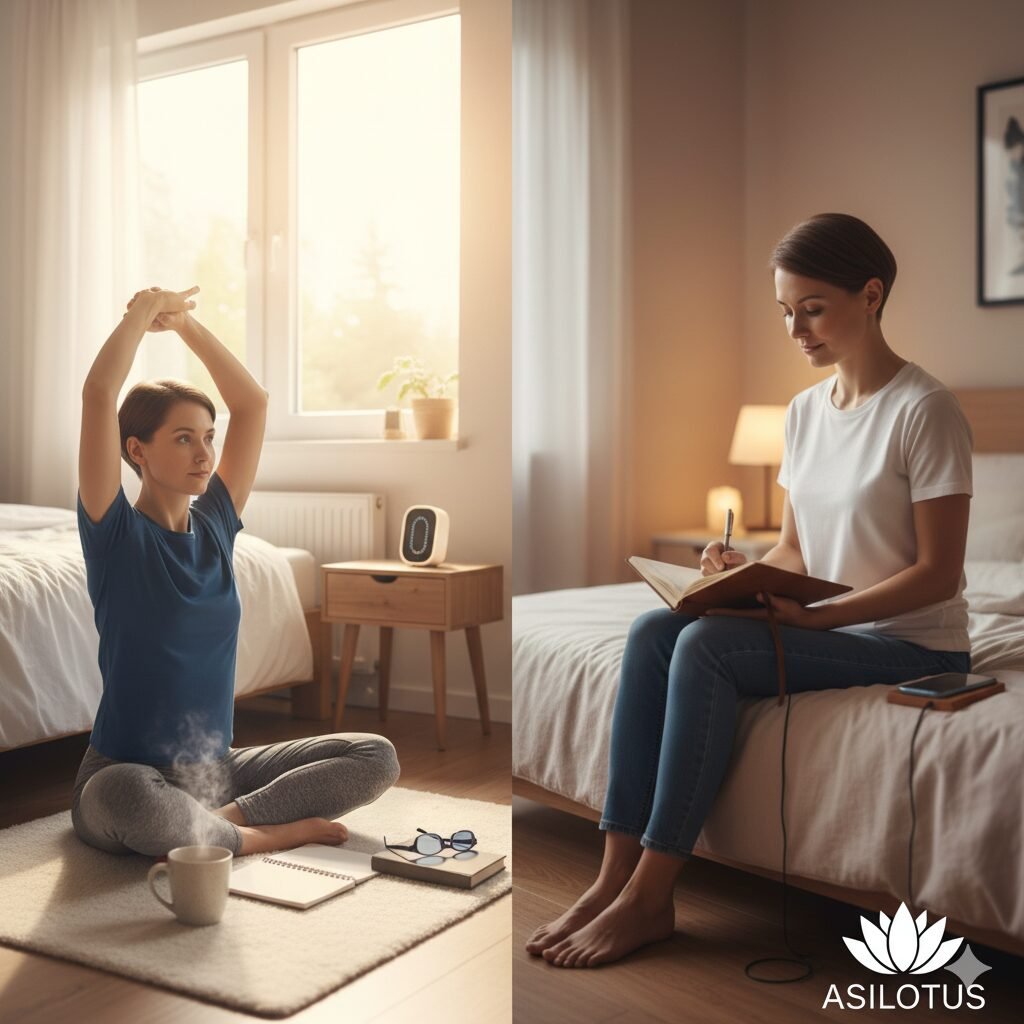
Your Day is Won or Lost in the First and Last Hour. Say that line out loud. Feel how it pins the day to two powerful moments — the doorway and the exit. The human brain is wired to anchor meaning and momentum to beginnings and endings. The way you step into morning frames decisions; the way you close the evening determines recovery and tomorrow’s appetite for growth.
This article gives you a compassionate, science-backed, and practical playbook to turn those two hours into your greatest allies. Expect simple sequences, mental cues, product recommendations, and a 30-day plan you can actually follow.
The Science Behind Routines (short primer)
Rituals matter because of how the brain forms habits, how circadian rhythms regulate energy, and how memory anchors endings. A few quick scientific notes:
- Habit formation uses cue–routine–reward loops in the basal ganglia; consistent cues make routines automatic.
- Circadian biology shows light, exercise, and timing of meals strongly influence sleep and daytime energy. See National Sleep Foundation.
- Ending the day with reflection and gratitude improves emotional regulation and sleep quality. See Mayo Clinic.
Designing Your First Hour: A Step-by-Step Morning Ritual
Aim: to create a reliable small-win sequence that makes you feel steady, clear, and capable within 60 minutes.
1. Mindset: Start with a Small Win (2–5 minutes)
- Make your bed or do one quick physical reset. That small success signals competence to your brain.
- One sentence intention: “Today I choose clarity.” Keep it simple and repeat it silently.
2. Movement: 5–12 minutes that change energy
Gentle stretching, 5–8 squats, or a 5-minute breath-walk. Movement shifts cortisol into productive rhythm. If you have time: 10–15 minutes of yoga or brisk walk raises dopamine and focus.
3. Hydration & Nutrition: The anchors
Drink 250–500 ml of water with a pinch of salt or a squeeze of lemon within the first 20 minutes. If you eat, prefer a protein-rich breakfast or time your carbs to after a focus block — experiment to see what keeps your mental clarity.
4. Focus Work: The 60–90 minute power block
Protect the first focused work session for your most important task (MIT). Use a single Pomodoro cycle (25–45 minutes) if you need structure; otherwise, commit to “deep focus until momentum drops.”
5. Gentle Tech Rules for the First Hour
- No email, no news, no social scrolling. If you need an alarm, use a gentle wake-up sound or a sunrise lamp.
- If you use a phone, switch to airplane mode or use an app that blocks social feeds during your first hour.
Designing Your Last Hour: How to Close the Day with Intention
Goal: lower physiological arousal, process the day, and prepare your brain for restorative sleep.
1. Wind-down sequence (physical, mental, digital)
- 60→30→0 rule: 60 minutes before bed reduce intense activity; 30 minutes dim lights & stop screens; 0 minutes phone out of bed.
- Gentle movement (stretching, foam rolling) followed by warm shower or wash hands/face signals the body it’s safe to rest.
2. Sleep hygiene essentials
Keep the bedroom cool, dark, and quiet. Avoid heavy meals, stimulants, and intense screen time within 90 minutes of sleep. Blue-light blocking glasses help when screens are unavoidable.
3. Journaling and gratitude to rewire your brain
3-minute brain dump: Write down the day’s unresolved tasks (so your brain can let go). Then list 3 gratitudes — three specific things that went well. This trains attention to positive details and reduces pre-sleep rumination.
Sample Rituals: 7 Morning + Evening Routines You Can Copy
Use these as templates and adapt to family schedules, shift work, or travel.
Minimalist Morning (15–25 minutes)
- Wake, make bed (2 min)
- Drink water, 2 deep breaths (2 min)
- 7-minute mobility/gentle yoga (7 min)
- 25-minute focused MIT (25 min)
Deep Start Morning (60–90 minutes)
- 10-min sunlight walk
- 10-min journaling: priorities + 1 intention
- 20-min focused work block
- Protein breakfast
Simple Evening Close (30 minutes)
- Light stretching (5 min)
- 3-minute brain dump (3 min)
- Gratitude list (2 min)
- Phone out of room, lights dimmed
Recommended Tools & Products for Better First & Last Hours

Philips Smart Wake-Up Light
Why it helps: Simulates sunrise to align your circadian rhythm, making wake-ups gentler and improving alertness without jarring alarms.
Honest review: Combines gradual light with gentle sounds. Reduces snooze temptation and eases morning mood.
Shop Philips Wake-Up LightBlue Light Blocking Glasses — Stylish & Practical
Why it helps: When you must use screens at night, these glasses reduce blue light exposure and help your body prepare for sleep.
Honest review: Affordable and comfortable options are available. Use them 60–90 minutes before bed for best results.
Shop Blue Light GlassesSuggested Internal Reading on AsiLotus
For deeper learning, check these related articles on our site:
Quick 30-Day Plan: Build the Habit Without Burning Out
- Week 1 — Stabilize: Choose one micro-ritual for morning and for evening (e.g., make bed + 3-minute gratitude). Do both daily.
- Week 2 — Expand: Add movement to morning (5–10 min) and a 3-minute brain dump to evening.
- Week 3 — Protect Focus: Add a 25–45 minute MIT block in the morning; enforce a no-email rule for the first hour.
- Week 4 — Automate: Tweak timings, add one supportive product, and write a one-sentence review of what improved.
Conclusion & Call to Action
In short: your day can truly be won or lost in the first and last hour. The secret is not perfection — it’s small, repeatable cues paired with tiny wins. Start with one simple ritual today and iterate until it fits your life.
Call to Action: Share this article with a friend or group interested in wellbeing, and try one of the routines for one week. Return after 30 days and note the differences — tell us about the change in the comments.