
The Power of Sleep: How Quality Rest Transforms Your Well-being
Unlocking Your Potential Through Sleep
In our fast-paced, always-on world, sleep often feels like a luxury, a concession we make when our bodies finally give out. Yet, the power of sleep is anything but passive; it is an active, vital process that profoundly transforms every aspect of our well-being. From sharpening our minds to fortifying our bodies and soothing our souls, quality rest is the bedrock upon which a vibrant, healthy life is built. This article delves into the remarkable science of sleep, revealing how consistent, restorative slumber can unlock your full potential and dramatically enhance your daily existence. Prepare to discover why prioritizing your sleep is not just a recommendation, but a critical investment in your holistic health.

The Science Behind Your Slumber: What Happens When You Sleep?
Sleep is far more than mere unconsciousness; it is a complex, dynamic state essential for physical and mental restoration. Our bodies cycle through distinct stages of sleep, each playing a crucial role in our overall health [1]. These stages are broadly categorized into Non-Rapid Eye Movement (NREM) sleep and Rapid Eye Movement (REM) sleep.
During NREM sleep, which comprises three stages, your body begins to repair and rebuild. Heart rate and breathing slow, body temperature drops, and muscles relax. This is when growth hormone is released, facilitating tissue repair and muscle growth. The immune system also gets a significant boost, producing protective cytokines that fight infection and inflammation [2].
REM sleep, often associated with vivid dreaming, is a period of intense brain activity. During this stage, your brain consolidates memories, processes emotions, and engages in critical learning functions. It’s a time when your mind essentially
reorganizes and recharges itself, preparing you for optimal cognitive performance the next day [3].
The Profound Benefits of Quality Sleep
Adequate and quality sleep is not merely about feeling rested; it is a powerful catalyst for comprehensive well-being. The benefits extend across physical, mental, and emotional domains, transforming your daily life in profound ways.
Enhanced Cognitive Function and Mental Clarity
One of the most immediate and impactful benefits of sufficient sleep is its effect on your brain. During sleep, your brain actively clears metabolic waste products that accumulate during waking hours, including beta-amyloid, a protein linked to Alzheimer’s disease [4]. This nightly ‘detox’ paves the way for improved cognitive function, leading to:
- Sharper Focus and Concentration: A well-rested brain can sustain attention and focus for longer periods, making tasks easier and more efficient.
- Improved Memory Consolidation: Sleep plays a critical role in transforming short-term memories into long-term ones, enhancing your ability to learn and recall information.
- Boosted Problem-Solving Skills: The brain uses sleep to process information and make connections, often leading to breakthroughs in problem-solving and creativity.
- Better Decision-Making: With enhanced clarity and reduced mental fatigue, you are better equipped to make sound judgments and navigate complex situations.
Boosted Mood and Emotional Resilience
Sleep and mood are intricately linked. A lack of sleep can leave you feeling irritable, anxious, and emotionally volatile. Conversely, consistent quality sleep acts as a powerful buffer against stress and emotional challenges, fostering a more positive outlook and greater emotional stability. It helps regulate neurotransmitters like serotonin and dopamine, which are crucial for mood regulation [5]. This emotional equilibrium contributes to:
- Reduced Stress and Anxiety: Adequate rest helps your body manage stress hormones, leading to a calmer state of mind.
- Increased Emotional Control: You are better able to regulate your emotions, respond thoughtfully rather than react impulsively, and maintain a more positive disposition.
- Greater Empathy and Social Connection: Being well-rested enhances your ability to understand and connect with others, improving your social interactions.
Fortified Immune System
Your immune system works tirelessly to protect you from illness, and sleep is its most potent ally. During sleep, your body produces and releases cytokines, a type of protein that targets infection and inflammation, effectively creating an army of protective cells [2]. Chronic sleep deprivation, on the other hand, suppresses immune function, making you more susceptible to colds, flu, and other infections. A robust immune system means:
- Stronger Defense Against Illness: Your body is better equipped to fight off pathogens and recover more quickly from sickness.
- Enhanced Vaccine Effectiveness: Studies show that adequate sleep can improve the body’s response to vaccinations, leading to stronger immunity [6].
Optimized Physical Health and Athletic Performance
For athletes and anyone engaged in physical activity, sleep is as crucial as training and nutrition. It is during deep sleep that your body undergoes significant repair and recovery processes. This includes muscle repair, tissue growth, and the release of human growth hormone (HGH), which is vital for physical regeneration [7]. The physical benefits include:
- Faster Muscle Recovery: Reduced muscle soreness and quicker repair after exercise.
- Increased Endurance and Strength: Improved physical performance and reduced risk of injury.
- Better Coordination and Reaction Time: Enhanced motor skills and quicker responses, crucial for athletic prowess and daily safety.
Effective Stress Management
Sleep is a natural stress reliever. It allows your mind and body to unwind and recover from the day’s demands. When you are sleep-deprived, your body’s stress response system (the HPA axis) becomes overactive, leading to elevated levels of cortisol, the stress hormone. Quality sleep helps to reset this system, promoting a sense of calm and well-being [8].
Healthy Weight Management
The relationship between sleep and weight is often overlooked. Sleep plays a critical role in regulating hormones that control appetite: ghrelin (which stimulates hunger) and leptin (which signals fullness). When you don’t get enough sleep, ghrelin levels increase, and leptin levels decrease, leading to increased appetite and cravings for high-calorie foods [9]. Prioritizing sleep can therefore support:
- Balanced Appetite: Helping you make healthier food choices and avoid overeating.
- Improved Metabolism: Supporting your body’s ability to process nutrients efficiently.
The Dangers of Sleep Deprivation: A Silent Threat
While the benefits of sleep are profound, the consequences of chronic sleep deprivation are equally significant and often underestimated. It’s a silent threat that erodes your health and well-being over time. Beyond the immediate feelings of fatigue and irritability, long-term sleep deficiency can lead to a cascade of serious health issues:
- Increased Risk of Chronic Diseases: Including heart disease, high blood pressure, diabetes, and stroke [10].
- Weakened Immune System: Making you more vulnerable to infections and prolonging recovery times.
- Mental Health Disorders: Exacerbating symptoms of anxiety, depression, and even contributing to the development of new mental health challenges.
- Impaired Cognitive Function: Leading to poor concentration, memory lapses, reduced creativity, and difficulty making decisions.
- Accidents and Injuries: Drowsiness impairs reaction time and judgment, significantly increasing the risk of accidents, particularly while driving [11].
- Weight Gain: As mentioned, sleep deprivation disrupts appetite-regulating hormones, making weight management a constant struggle.
Cultivating a Sanctuary for Sleep: Practical Tips for Better Rest
Transforming your sleep habits is an investment in your overall health. Here are practical, actionable tips to help you cultivate a sanctuary for sleep and embrace the power of sleep:
Establish a Consistent Sleep Schedule
Your body thrives on routine. Going to bed and waking up at the same time every day, even on weekends, helps regulate your body’s natural sleep-wake cycle (circadian rhythm). Consistency is key to training your body for optimal rest [12].
Optimize Your Sleep Environment
Your bedroom should be a haven for rest. Make it:
- Dark: Block out all light with blackout curtains or an eye mask. Even small amounts of light can disrupt melatonin production.
- Quiet: Use earplugs, a white noise machine, or a fan to mask disruptive sounds.
- Cool: The ideal temperature for sleep is typically between 18-20°C (65-68°F). A cooler room signals to your body that it’s time to sleep.
- Comfortable: Invest in a supportive mattress and pillows. Ensure your bedding is clean and comfortable.
Mind Your Diet and Exercise
What you consume and how you move your body significantly impact your sleep quality:
- Limit Caffeine and Alcohol: Avoid caffeine late in the day (typically after noon) and alcohol close to bedtime, as both can disrupt sleep patterns.
- Eat Light Dinners: Heavy meals close to bedtime can cause indigestion and discomfort, making it harder to fall asleep.
- Regular Exercise: Engage in regular physical activity, but try to finish intense workouts a few hours before bedtime. Exercise promotes deeper sleep, but exercising too close to sleep can be stimulating.
Manage Stress Effectively
Stress is a major impediment to sleep. Incorporate stress-reducing practices into your daily routine:
- Mindfulness and Meditation: Even a few minutes of meditation or deep breathing before bed can calm your mind.
- Journaling: Writing down your thoughts and worries can help clear your mind before sleep.
- Relaxing Bedtime Routine: Take a warm bath, read a book, or listen to soothing music to signal to your body that it’s time to wind down.
Embrace the Power of Sleep: A Call to Action
The power of sleep is not a myth; it is a scientifically proven phenomenon that holds the key to a healthier, happier, and more productive life. By understanding its profound impact and making conscious choices to prioritize quality rest, you are not just sleeping; you are investing in your future self. Imagine waking up each day feeling truly refreshed, energized, and ready to tackle whatever comes your way. This isn’t a distant dream; it’s an achievable reality when you harness the transformative potential of sleep.
Make the commitment today to reclaim your nights and revitalize your days. Your body and mind will thank you. Share this article with your loved ones and in your communities to spread the invaluable message of the power of sleep. Together, we can foster a world where everyone experiences the profound benefits of quality rest.
Feeling Small, Thinking Big: How a Weekly “Awe Walk” Can Dramatically Reduce Your Anxiety

AsiLotus Wellness Feeling Small, Thinking Big: How a Weekly “Awe Walk” Can Dramatically Reduce Your Anxiety A soothing, research-inspired practice that helps the mind widen, the body soften, and the nervous system exhale. There are moments when the world quietly reorders your nervous system. Maybe it happens when you stand beneath a cathedral of trees…
Feeling Unmotivated and Bored? A Beginner's Guide to Dopamine Fasting to Reset Your Brain's Reward System
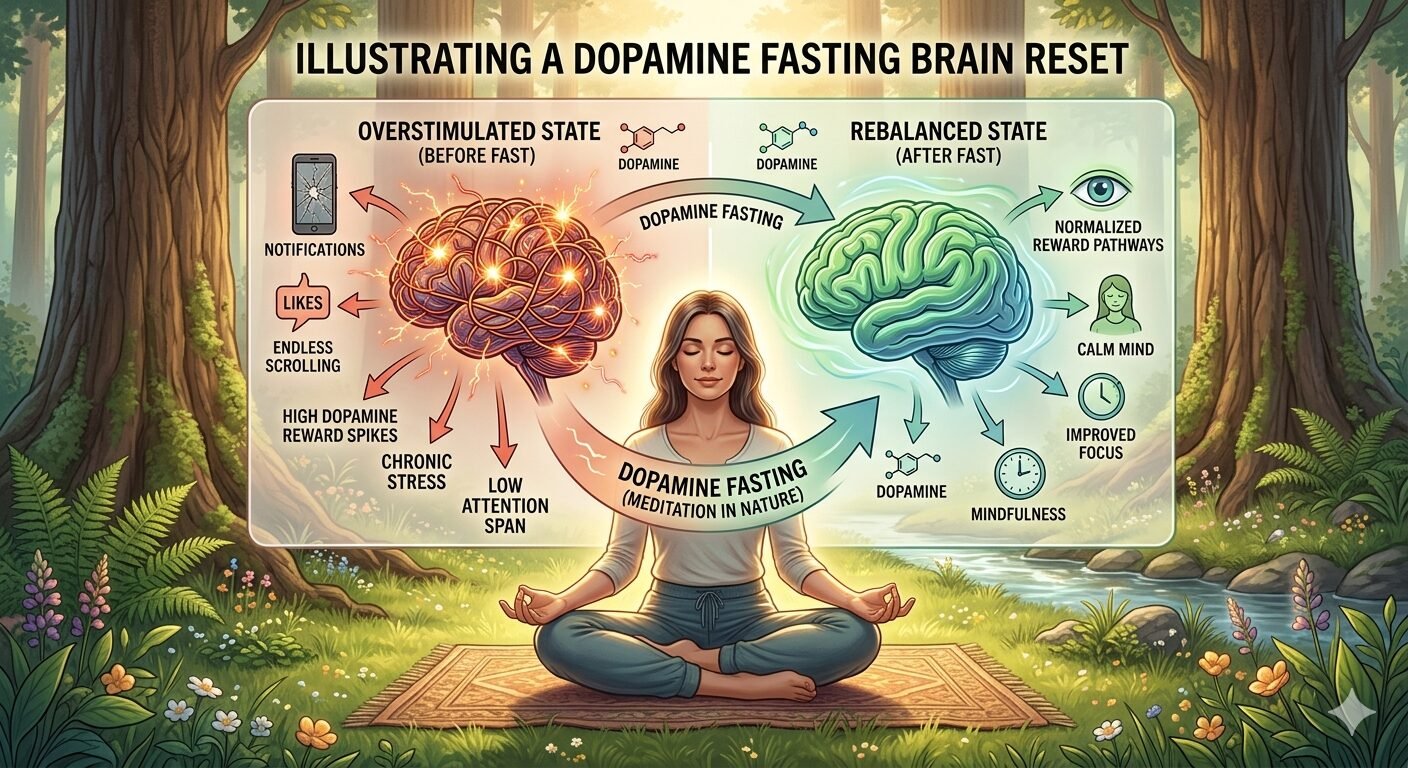
Feeling Unmotivated and Bored? A Beginner’s Guide to Dopamine Fasting to Reset Your Brain’s Reward System In the contemporary landscape of high-speed connectivity and instant gratification, many individuals find themselves trapped in a paradoxical state of mental exhaustion and persistent boredom. Despite being surrounded by an unprecedented abundance of digital entertainment and information, a growing…
Feeling Tired After Resting? You Might Need "Active Rest" Instead of the Couch

Feeling Tired After Resting? You Might Need “Active Rest” Instead of the Couch Feeling Tired After Resting? You Might Need “Active Rest” Instead of the Couch A practical guide to the seven types of rest that genuinely restore your energy—beyond sleep and the sofa. The Paradox of the Exhausted Sleeper Have you ever spent a…
The Forgotten Habit: How 15 Minutes of "Earthing" Can Reduce Inflammation and Calm Your Mind

The Forgotten Habit: How 15 Minutes of “Earthing” Can Reduce Inflammation and Calm Your Mind Just 15 minutes a day — a simple practice for better sleep, less inflammation, and a calmer mind. Introduction: The Missing Link in Modern Wellness We invest heavily in our health: organic food, high-tech fitness trackers, and complex supplement regimens.…
Stuck in Overthinking? A Simple 3-Step Formula to Escape Analysis Paralysis
Stuck in Overthinking? A Simple 3-Step Formula to Escape Analysis Paralysis By AsiLotus We live in the age of information, where every decision, from choosing a coffee maker to launching a new career, is met with an overwhelming flood of data, reviews, and expert opinions. While access to information is a gift, for many, it…
Protect Your Peace: Master The Gentle No and Set Boundaries Without

The Gentle No: How to Set Boundaries and Protect Your Peace Without Guilt By AsiLotus In a culture that often equates busyness with importance and helpfulness with self-sacrifice, the word “yes” can feel like a moral obligation. We say yes to extra work, yes to social engagements we dread, and yes to requests that drain…
Is Your Gut Controlling Your Mood? The Secret to a Happier Mind Might Be in Your Stomach l'Gut-Brain Axis
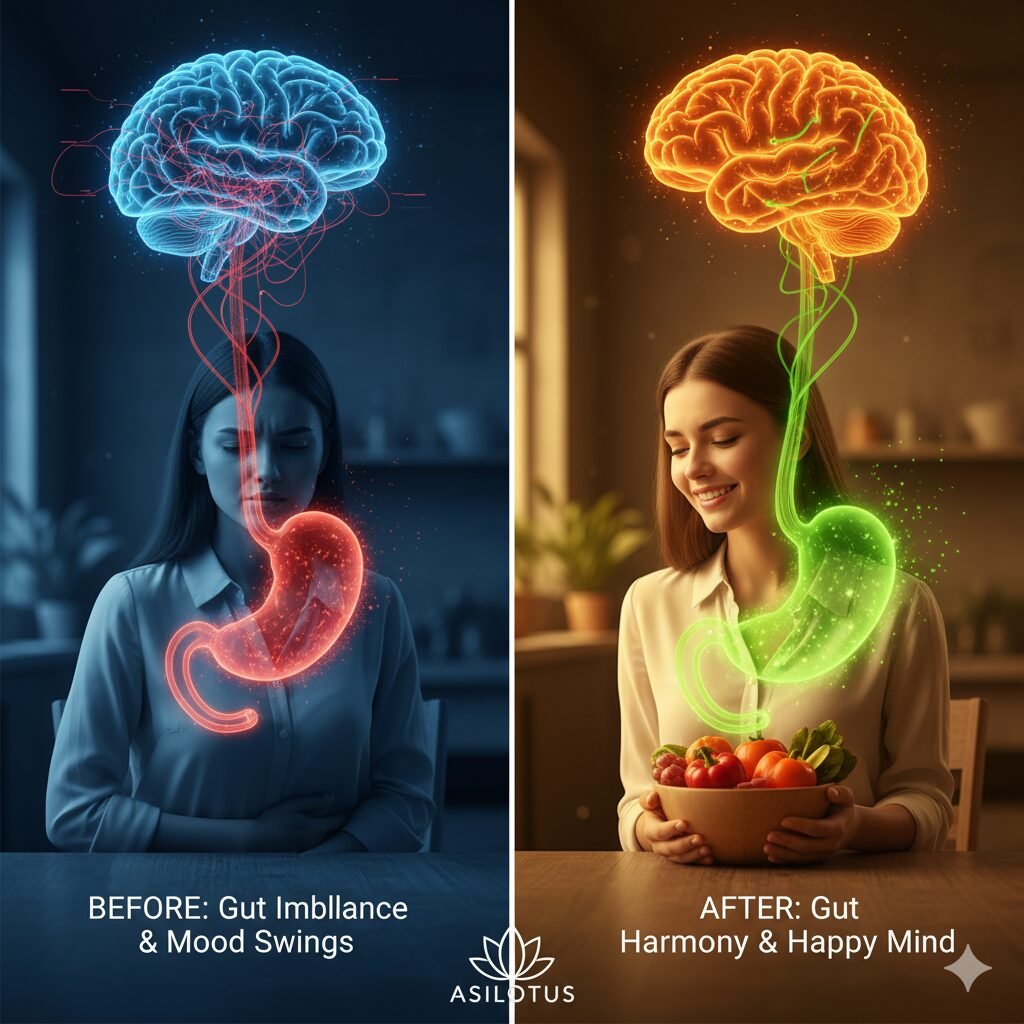
Is Your Gut Controlling Your Mood? — AsiLotus AsiLotus Nov 2025 · 8 min read Category: Gut Health · Mental Health Is Your Gut Controlling Your Mood? The Secret to a Happier Mind Might Be in Your Stomach A comprehensive guide decoding the Gut-Brain Axis and 7 actionable phases to support your microbiome and emotional…
From House to Haven: 7 Simple Steps to Create a Home Sanctuary for Your Soul

From House to Haven: 7 Simple Steps to Create a Home Sanctuary for Your Soul From House to Haven: 7 Simple Steps to Create a Home Sanctuary for Your Soul A calm, practical guide to turning your home into a sanctuary for mental, emotional, and spiritual well-being. Transform your space with intention — sacred decluttering,…
References
[1] Sleep Foundation. (2025, July 22). Benefits of Sleep: Improved Energy, Mood, and Brain Health. https://www.sleepfoundation.org/how-sleep-works/benefits-of-sleep
[2] NIH News in Health. (2021, April). Good Sleep for Good Health. https://newsinhealth.nih.gov/2021/04/good-sleep-good-health
[3] Harvard Medical School. Why Sleep Matters: Benefits of Sleep. https://sleep.hms.harvard.edu/education-training/public-education/sleep-and-health-education-program/sleep-health-education-41
[4] University of Rochester Medical Center. Brain Has ‘Drainage System’ That Removes Toxins During Sleep. https://www.urmc.rochester.edu/news/story/3847/brain-has-drainage-system-that-removes-toxins-during-sleep.aspx
[5] Sleep Foundation. (2025, July 22). Sleep and Mental Health. https://www.sleepfoundation.org/mental-health
[6] American Academy of Sleep Medicine. (2020, October 12). Sleep and the Immune System. https://aasm.org/sleep-and-the-immune-system/
[7] Cleveland Clinic. Sleep: What It Is, Why It’s Important, Stages, REM & NREM. https://my.clevelandclinic.org/health/body/12148-sleep-basics
[8] Sleep Foundation. (2025, July 22). Sleep and Stress. https://www.sleepfoundation.org/stress-insomnia/sleep-and-stress
[9] National Institutes of Health. (2021, April). Good Sleep for Good Health. https://newsinhealth.nih.gov/2021/04/good-sleep-good-health
[10] Centers for Disease Control and Prevention. (2024, May 15). About Sleep. https://www.cdc.gov/sleep/about/index.html
[11] National Highway Traffic Safety Administration. Drowsy Driving. https://www.nhtsa.gov/risky-driving/drowsy-driving
[12] Sleep Foundation. (2025, July 22). Sleep Hygiene. httpswww.sleepfoundation.org/sleep-hygiene
Thank you for your sharing. I am worried that I lack creative ideas. It is your article that makes me full of hope. Thank you. But, I have a question, can you help me?