
Is Your Gut Controlling Your Mood? The Secret to a Happier Mind Might Be in Your Stomach
Is Your Gut Controlling Your Mood? The Secret to a Happier Mind Might Be in Your Stomach
Introduction: The Hidden Conversation Between Your Gut and Your Brain
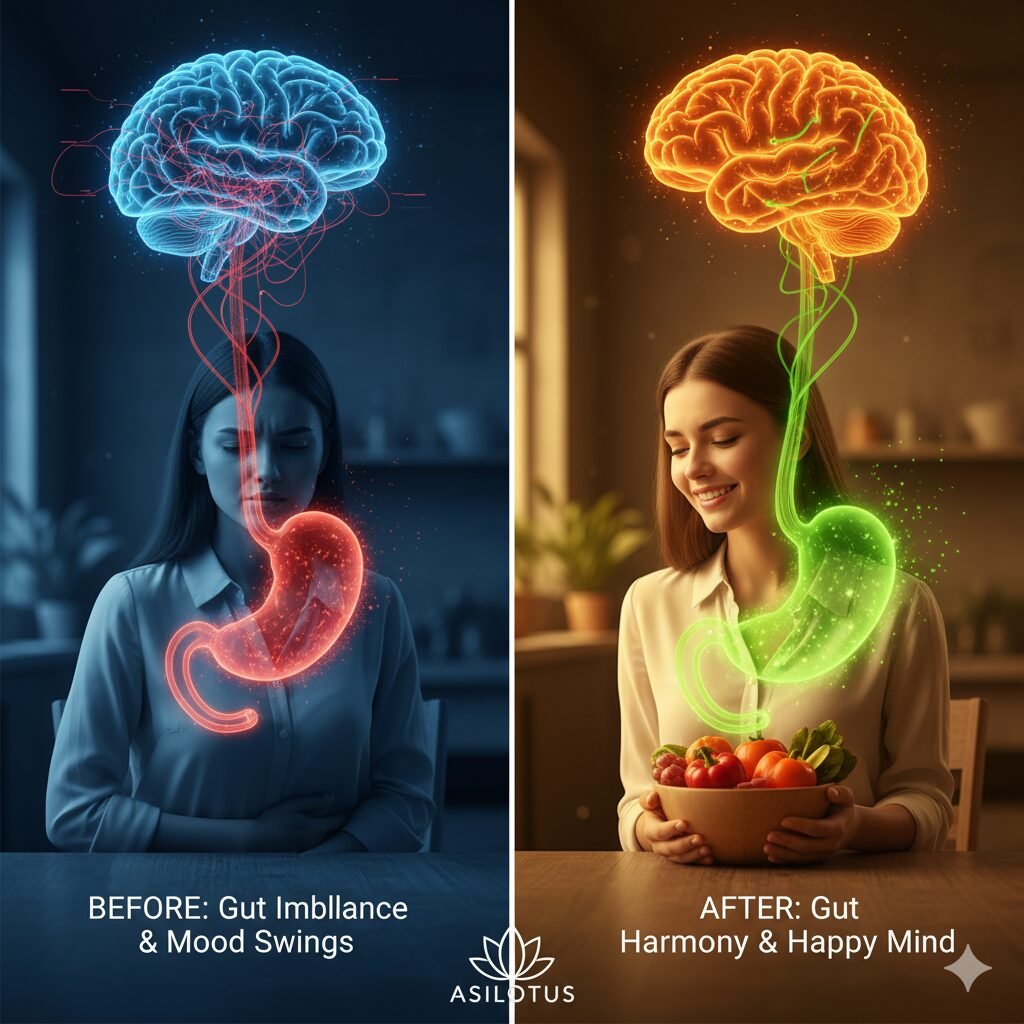
Have you ever felt “butterflies” in your stomach before a big presentation, or a “gut feeling” about a decision? These common phrases are more than just metaphors; they are everyday evidence of a profound, two-way communication system between your digestive tract and your brain. For decades, the gut was seen merely as a processing plant for food. Today, science reveals it as a “second brain,” a complex ecosystem that profoundly influences your mental health, emotional stability, and overall well-being.
The Gut-Brain Axis is the sophisticated network that connects your central nervous system (CNS) to your enteric nervous system (ENS)—the nervous system of your gut. This connection is so vital that researchers now believe that the secret to a happier, calmer mind might not lie solely in your head, but deep within your stomach. If you’ve struggled with unexplained mood swings, anxiety, or persistent low energy, it’s time to look beyond the conventional and explore the powerful role your gut health plays. This comprehensive guide will decode the science of the Gut-Brain Axis and provide you with seven actionable steps to cultivate a healthier gut and, in turn, a happier mind.
Phase 1: Decoding the Connection (The Science)
The Gut-Brain Axis is a bidirectional highway, meaning the brain sends signals to the gut (which is why stress can cause stomach upset), and the gut sends signals back to the brain (which can influence your mood). This communication happens through several pathways, the most famous of which is the Vagus Nerve.
The Vagus Nerve: The Superhighway of Communication
The Vagus Nerve is the longest cranial nerve, running from the brainstem all the way down to the abdomen, connecting the brain to the heart, lungs, and, crucially, the digestive tract. It acts like a telephone line, constantly relaying information about the state of your gut to your brain. When your gut is inflamed or unbalanced, the Vagus Nerve sends distress signals that can manifest as anxiety, stress, or even depression. Conversely, a healthy, calm gut sends signals of well-being, promoting a sense of peace and stability.
Phase 2: The Role of the Microbiome (The Microbes)
Your gut is home to trillions of microorganisms—bacteria, fungi, and viruses—collectively known as the gut microbiota. This is not just a collection of passive residents; it is a bustling, active organ that weighs as much as your brain and plays a critical role in your mood.
The Gut’s Pharmacy: Neurotransmitter Production
The most astonishing discovery is that your gut microbes produce a vast array of neuroactive compounds, including neurotransmitters that directly affect your mood.
- Serotonin: Up to 90% of the body’s serotonin—the “happiness hormone” that regulates mood, sleep, and appetite—is produced in the gut. When your microbial balance is off, this production can be compromised, directly impacting your mental state.
- GABA: Certain bacteria produce Gamma-aminobutyric acid (GABA), a neurotransmitter that helps calm the nervous system and reduce feelings of anxiety.
- Short-Chain Fatty Acids (SCFAs): Microbes ferment dietary fiber to produce SCFAs (like butyrate), which not only nourish the gut lining but also cross the blood-brain barrier to influence brain function, reduce inflammation, and promote neurogenesis.
Phase 3: Nourishing the Ecosystem (The Diet)
The food you eat is not just feeding you; it is feeding your microbiome. The foundation of a healthy Gut-Brain Axis is a diet rich in diversity and fiber, which fuels the beneficial bacteria that produce mood-boosting compounds.
Prebiotics and Fermented Foods: Fueling Your Happy Bacteria
Prebiotics are non-digestible fibers that serve as food for your gut bacteria. Think of them as the fertilizer for your internal garden.
- Top Prebiotic Sources: Garlic, onions, leeks, asparagus, bananas (slightly green), and whole grains.
- Fermented Foods: Foods like sauerkraut, kimchi, kefir, and plain yogurt contain live, beneficial bacteria (probiotics) that help diversify your gut flora. Incorporating these daily is a powerful way to support your mood.
Recommended Tool for Gut Nourishment: To make incorporating these gut-friendly foods easier and more delicious, a dedicated resource is invaluable. Gut-Healthy Fermented Foods Cookbook — This cookbook is highly recommended because it provides simple, accessible recipes for making your own fermented foods and incorporating high-fiber, prebiotic-rich ingredients into your daily meals, making the journey to a happier gut enjoyable.
Phase 4: The Secret Weapon: Probiotics (The Supplements)
While a whole-food diet is paramount, targeted supplementation with probiotics can be a game-changer, especially when addressing mood and anxiety. These specific strains of bacteria are often referred to as psychobiotics due to their proven mental health benefits.
Choosing the Right Psychobiotics for Mood
Not all probiotics are created equal. For mood support, look for strains that have been clinically studied for their effects on the Gut-Brain Axis.
| Strain | Primary Benefit | Research Focus |
|---|---|---|
| Lactobacillus helveticus R0052 | Anxiety Reduction | Shown to reduce cortisol levels and anxiety-like behaviors in studies. |
| Bifidobacterium longum R0175 | Stress & Depression | Linked to improved coping mechanisms for stress and reduced symptoms of depression. |
| Lactobacillus rhamnosus GG | Gut Barrier Integrity | Helps strengthen the gut lining, reducing inflammation that can travel to the brain. |
It is crucial to choose a high-quality, multi-strain probiotic that is guaranteed to survive stomach acid.
Phase 5: Stress, the Gut, and Mood (The Emotional Link)
The bidirectional nature of the Gut-Brain Axis means that chronic stress is one of the most significant threats to your gut health and, consequently, your mood. When you are stressed, your body releases cortisol, which can damage the gut lining, leading to “leaky gut” and systemic inflammation.
The Vicious Cycle of Stress and Inflammation
- Leaky Gut: Stress compromises the tight junctions in your intestinal wall, allowing undigested food particles and toxins to leak into the bloodstream. This triggers an immune response and inflammation.
- Brain Fog and Anxiety: This inflammation doesn’t stay in the gut; it travels to the brain, where it can interfere with neurotransmitter function and contribute to brain fog, anxiety, and depression.
- Breaking the Cycle: Managing stress is as vital as managing your diet. Techniques like deep, diaphragmatic breathing, mindfulness, and gentle movement directly stimulate the Vagus Nerve, sending calming signals from the brain to the gut, helping to restore balance.
Phase 6: Movement and Sleep (The Holistic Approach)
A holistic approach to the Gut-Brain Axis recognizes that lifestyle factors are inseparable from diet and supplements. Your physical activity and sleep patterns have a profound, indirect influence on your gut microbiome.
Exercise and Sleep: Indirect Gut Regulators
Exercise has been shown to increase the diversity of the gut microbiome, which is a key indicator of a healthy gut. Moderate, consistent exercise promotes gut motility and reduces the transit time of food, preventing the buildup of harmful bacteria.
Sleep is when your body and gut perform essential maintenance. Poor sleep increases stress hormones and inflammation, both of which are detrimental to the gut lining. Aim for 7-9 hours of quality sleep per night. Creating a calming bedtime ritual directly supports the Vagus Nerve and prepares your gut for its nightly repair work.
Phase 7: The Repair Protocol (The Action Plan)
Healing the Gut-Brain Axis is a journey, not a sprint. By following a simple, consistent protocol, you can begin to see improvements in your mood, energy, and overall mental clarity within weeks.
A Simple 3-Step Plan for a Happier Gut and Mind
- Remove: Eliminate inflammatory foods (processed sugars, refined oils, excessive alcohol) that feed harmful bacteria and damage the gut lining.
- Repair: Introduce supplements that support the gut lining, such as L-Glutamine, bone broth, and zinc.
- Reinoculate & Rebalance: Consistently consume prebiotic-rich foods and fermented foods, and consider a high-quality psychobiotic supplement to replenish and diversify your beneficial bacteria.
Remember, your gut is your second brain. Treating it with respect and nourishing its ecosystem is perhaps the most powerful step you can take toward achieving sustained holistic wellness and a happier mind.
Conclusion: The Power is in Your Plate
The question, “Is your gut controlling your mood?” is no longer a philosophical one; it is a scientific reality. The Gut-Brain Axis is the key to unlocking a deeper level of mental and emotional well-being. By focusing on the health of your microbiome, you are not just improving your digestion; you are actively optimizing your brain chemistry, reducing inflammation, and building resilience against stress and anxiety.
The secret to a happier mind truly might be in your stomach. Start today by making small, intentional changes to your diet and lifestyle, and listen to the wisdom your gut is trying to share with you.
Call to Action
If this article has inspired you to take control of your mood through your gut, share it with a friend or family member who struggles with anxiety or low energy. Let’s spread the knowledge of this incredible connection and empower others to find their secret to a happier mind.
• Meditation for anxiety
• Best essential oils for sleep
• AsiLotus home
References
- Yano, J. M., Yu, K., Donaldson, G. P., et al. (2015). Indigenous bacteria from the gut microbiota regulate host serotonin biosynthesis. Cell, 161(2), 264–276.
- Allen, J. M., Mailing, L. J., Niemiro, G. M., et al. (2018). Exercise alters host metabolism and composition of the gut microbiome. Medicine and Science in Sports and Exercise, 50(11), 2217–2226.
- Clinical trial demonstrating the efficacy of specific psychobiotic strains (e.g., L. helveticus R0052 and B. longum R0175) in reducing psychological distress.


Feeling Tired After Resting? You Might Need “Active Rest” Instead of the Couch
Feeling Tired After Resting? You Might Need “Active Rest” Instead of the Couch Feeling Tired…

The Forgotten Habit: How 15 Minutes of “Earthing” Can Reduce Inflammation and Calm Your Mind
The Forgotten Habit: How 15 Minutes of “Earthing” Can Reduce Inflammation and Calm Your Mind…
Stuck in Overthinking? A Simple 3-Step Formula to Escape Analysis Paralysis
Stuck in Overthinking? A Simple 3-Step Formula to Escape Analysis Paralysis By AsiLotus We live…
Protect Your Peace: Master The Gentle No and Set Boundaries Without
The Gentle No: How to Set Boundaries and Protect Your Peace Without Guilt By AsiLotus…
Is Your Gut Controlling Your Mood? The Secret to a Happier Mind Might Be in Your Stomach l’Gut-Brain Axis
Is Your Gut Controlling Your Mood? — AsiLotus AsiLotus Nov 2025 · 8 min read…
From House to Haven: 7 Simple Steps to Create a Home Sanctuary for Your Soul
From House to Haven: 7 Simple Steps to Create a Home Sanctuary for Your Soul…